
A metal patio cover can turn a pleasant outdoor space into a heat trap if it blocks sunlight but also blocks breezes. The real goal is to maximize shade while preserving or enhancing airflow, so the area stays cooler even on the hottest afternoons. We’ll walk through the design and retrofitting choices that make the biggest difference, from initial placement to active cooling.
Maximizing shade and airflow doesn’t require a single perfect solution. Most comfortable patios combine several small strategies: a reflective roof, gaps for venting, side screening for low-angle sun, and a fan for still days. Below, we break down the options by category so you can prioritize what fits your space and budget.
Designing Your Metal Patio Cover for Optimal Shade
Strategic Placement and Orientation to Block Direct Sunlight
The orientation of your metal patio cover determines how much solar radiation hits the roof surface. If possible, position the cover so its longest axis runs east-west; that keeps the lower-angled morning and evening sun from reaching under the roof, while the peak of the cover shades the space during midday. In existing spaces, even small adjustments like extending the roof overhang on the west side can block late afternoon heat. We always measure the sun’s path across the site before finalizing placement, because a two-foot extension on the right side can be more effective than upgrading materials.
Selecting Heat-Reflective Metal Materials and Finishes
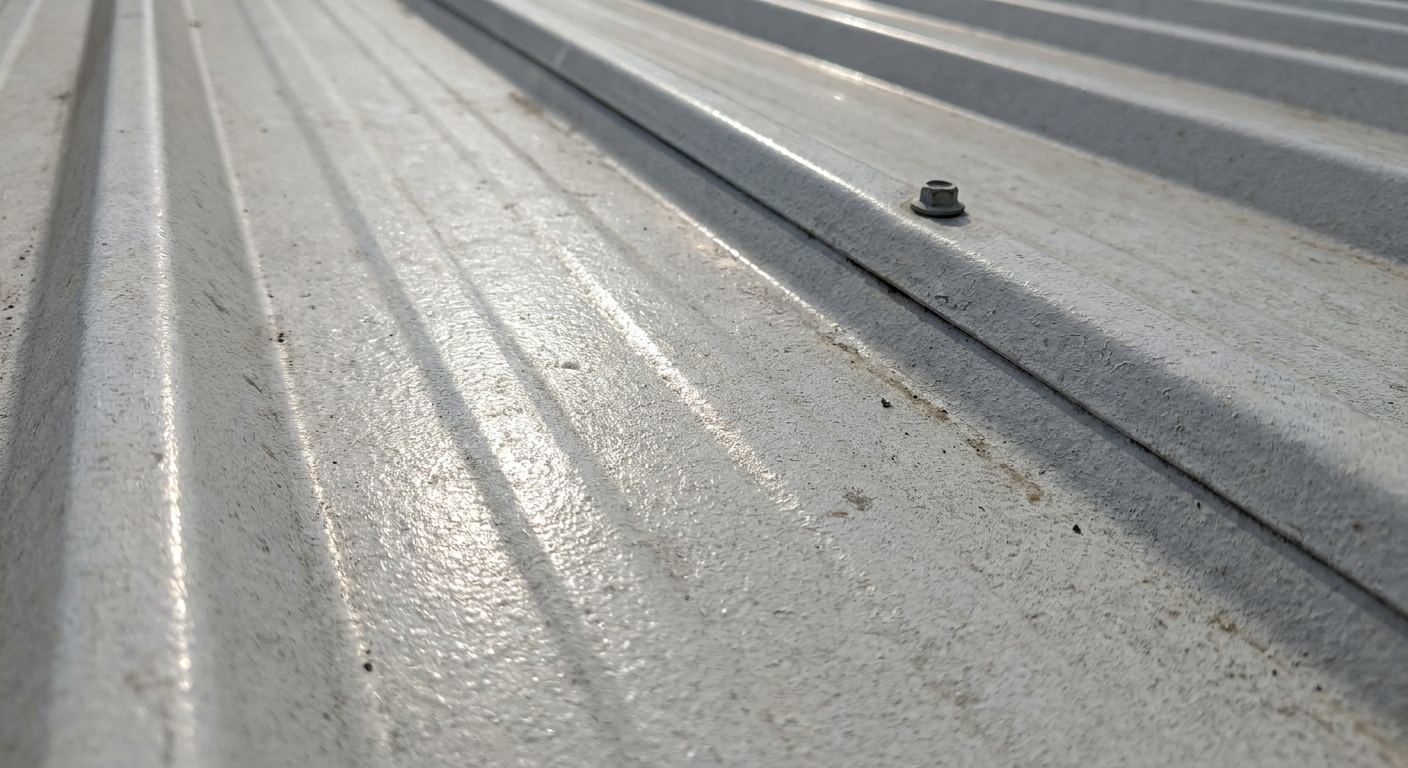
The color and finish of the metal matter as much as the metal itself. Light-colored, matte, or specially coated surfaces reflect a larger share of solar energy instead of absorbing it. Dark, unpainted metal can become painfully hot and radiate that heat downward. For aluminum patio covers, we look for heat-reflective coatings or baked-on light finishes, which reduce surface temperature without adding weight. Even a small difference in reflectivity can make the area under the cover feel several degrees cooler.
Adding Insulation to Reduce Heat Transfer
Insulation beneath a metal roof slows the transfer of heat from the hot metal to the air below. Rigid foam board, radiant barrier sheeting, or even a ventilated air gap between the metal and the ceiling below can break that heat path. We have found that a one-inch air gap with a radiant barrier works well for most residential covers because it reflects heat back up and allows any warmed air to escape through side vents. If you notice the underside of your cover feels warm to the touch, a radiant barrier is a low-cost retrofit that can make an immediate difference.
Promoting Airflow and Natural Ventilation
Incorporating Ventilation Gaps and Ridge Vents
Hot air rises and gets trapped against the underside of a solid roof. To let it escape, include ventilation gaps at the highest point of the cover, such as a continuous ridge vent or a series of small openings along the top edge. Even a quarter-inch gap at the peak allows hot air to leave while pulling cooler air in from the sides. We also space the roof panels slightly where they overlap, which creates natural convection without compromising weather protection.
Opting for Louvered Metal Roofs for Adjustable Airflow
Louvered roofs give you the best of both worlds: full shade when closed, and open slats when you want more breeze. On windy days, opening the louvers even slightly can drop the perceived temperature under the cover by several degrees. If you are building new or replacing an existing cover, a louvered system is the single most flexible upgrade for year-round comfort. We recommend motorized louvers with a manual override so you can adjust them quickly as the sun moves.
Encouraging Cross-Ventilation with Open Sides and Landscaping
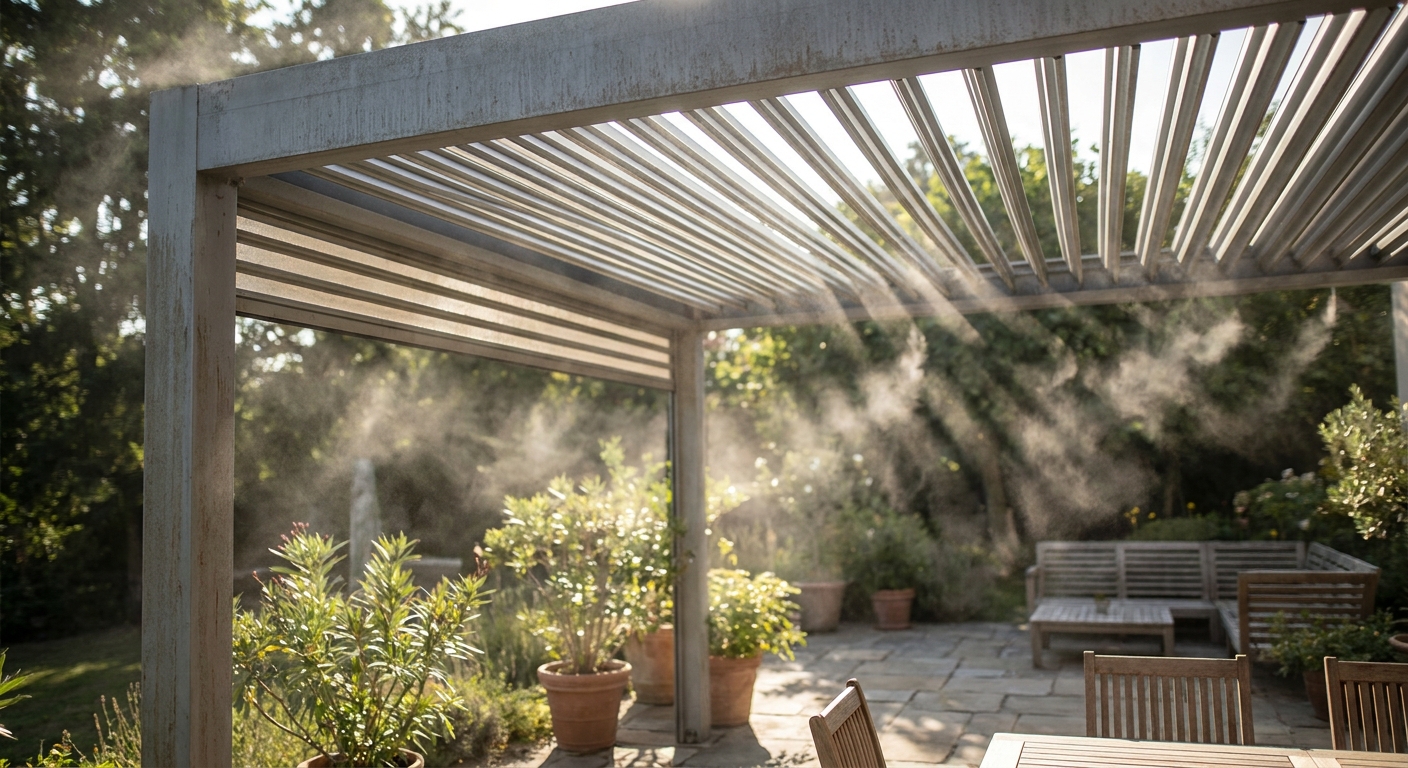
The sides of your patio cover affect airflow as much as the roof. Leaving at least one side open to prevailing breezes creates a pressure difference that draws air through the space. If you need privacy or shade from low sun, use slatted screens, lattice, or plants instead of solid walls. Hedges and shrubs placed a few feet from the edge can funnel wind toward the seating area while still blocking direct rays. In our projects, we map the local wind direction before recommending screen placement, because a screen on the wrong side can turn a breezy patio into a stagnant one.
Layering Additional Shade and Screening
Overhead Greenery and Shade Cloth
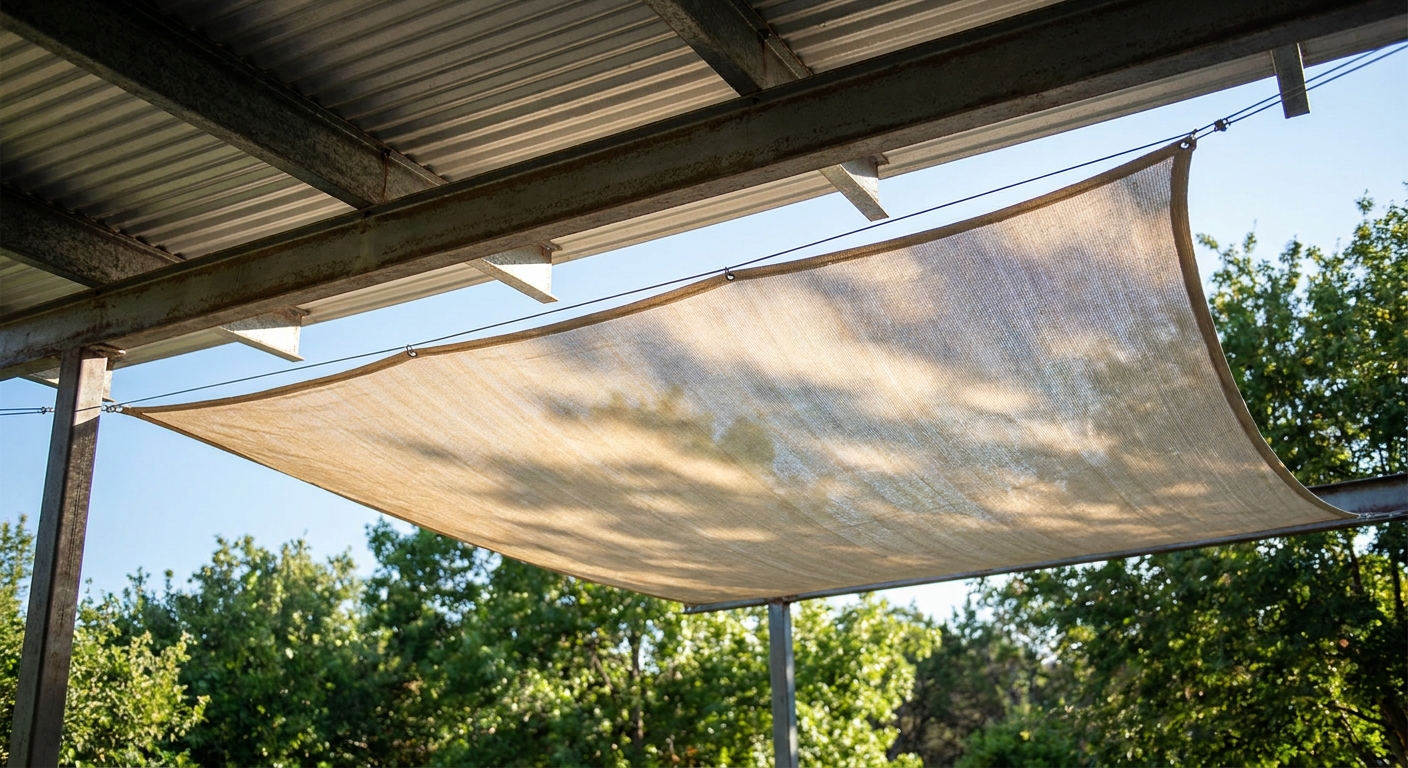
A layer of shade cloth stretched below or above the metal roof can cut solar gain further without stopping airflow. Shade cloth with 50–70% density blocks the hottest rays while allowing breezes through. Vines or climbing plants on a trellis above the cover can do the same job, but they need spacing to avoid creating a solid, heat-trapping canopy. We often install small eye hooks along the cover’s edge so clients can add or remove shade cloth as the season changes.
Adjacent Screens and Curtains for Low-Angle Sun
Late afternoon sun comes in at a low angle that a roof alone cannot block. Outdoor curtains or roll-down screens on the west and southwest sides solve that problem while still allowing air movement when they are partially open. Choose light-colored, breathable fabrics rather than heavy canvas; they reflect heat and let even a small breeze pass through. We have built over 40 custom metal patio covers, and the most common improvement request we hear is for a west-side screen because that low sun is the one that makes the space uncomfortable.
Active Cooling Methods for Hot Days
Ceiling Fans for Increased Air Movement
On still days, natural ventilation may not be enough. A ceiling fan rated for outdoor use moves air across your skin, making the space feel up to 4°F cooler. Mount the fan below the patio cover, and set it to rotate counterclockwise in summer so it pushes air downward. Even a light breeze dramatically improves comfort, and you can turn the fan off when the wind picks up. We recommend a fan with a high airflow rating but low noise, because the goal is a gentle breeze, not a wind tunnel.
Misting Systems for Evaporative Cooling
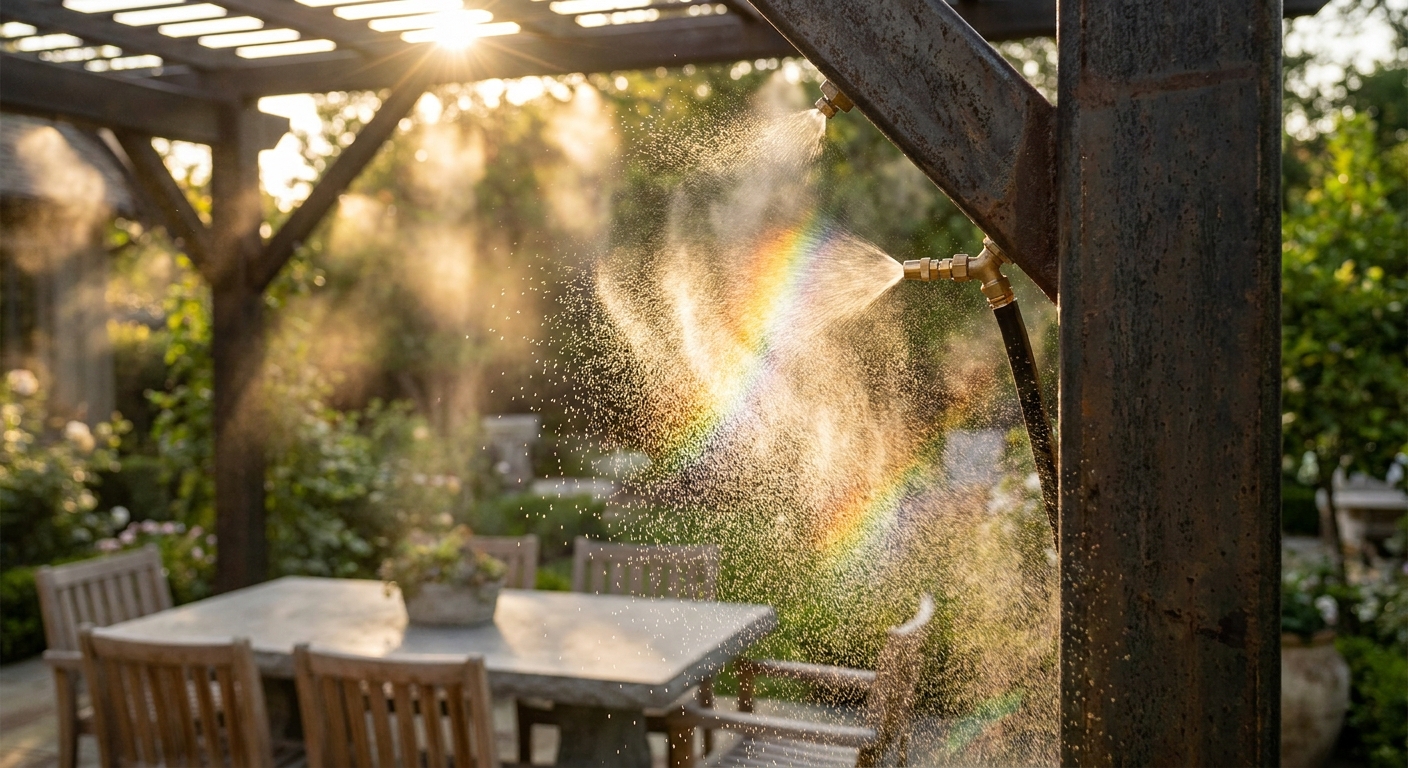
In dry heat, a low-pressure misting system can lower the air temperature around your patio by 10–15°F through evaporation. Position misting nozzles along the perimeter of the cover, angled slightly upward so the fine mist evaporates before it reaches people. This works best when the air is dry and there is at least a little airflow; in humid conditions, misting can make things feel sticky. We typically recommend misting only for areas that are otherwise well-shaded and ventilated, because combining mist with trapped heat and humidity is counterproductive.
Seasonal Adjustments for Year-Round Comfort
The same metal cover that keeps you cool in summer can make the space too cool or too closed-in during spring and fall. That is why adjustable features—louvers, retractable shade cloth, removable side screens, and fans with speed control—pay off all year. In cooler months, open the louvers fully to let in sun, remove shade cloth so the metal roof can absorb some warmth, and switch the ceiling fan to clockwise at low speed to push warm air down from the roof. We encourage clients to think of their patio cover as a system with seasonal settings, not a fixed structure. A small change in louver angle or screen position can extend the usable season by several weeks in both directions.
Conclusion: Enjoy a Cooler Patio All Summer
Keeping a metal patio cover cool is not about a single trick. It is a layered approach: start with a reflective, well-oriented roof; add ventilation and adjustable shade; then use active cooling on the hottest days. The combination that works best for your space depends on your sun exposure, wind patterns, and how you use the patio. We recommend starting with the low-cost changes—adding a ridge vent, hanging a shade cloth, repositioning furniture to catch breezes—and then deciding whether a louvered roof or ceiling fan is worth the investment.
If you are planning a new metal patio cover or want to make your current one more comfortable, reach out to talk through your specific site. We can suggest the most effective combination of shade and airflow improvements for your setup.