
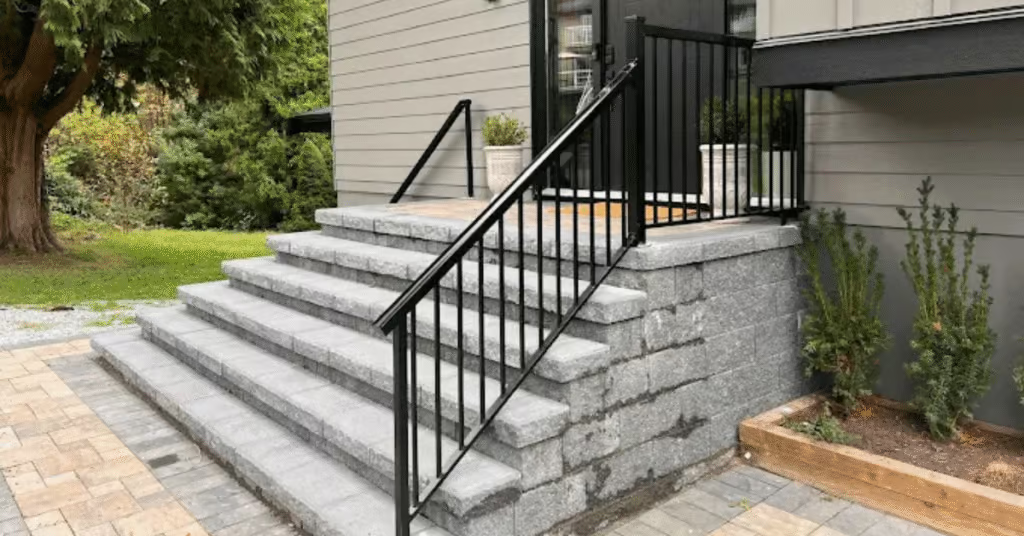
Custom metal railings have evolved from functional safety requirements into architectural statements that define modern residential spaces. As homeowners look for options that blend style and function, expectations keep rising. Custom railings tips help guide these early decisions so each system supports both safety and aesthetics over time. Custom metal fabrication meets these higher demands. It delivers visual impact tailored to each property. It also achieves performance that mass produced parts cannot match. This guide explains why custom metal railings are a smart investment. It highlights advantages across many architectural styles. The benefits also apply in a wide range of climate conditions.
Top 5 Benefits of Custom Metal Railings Guide
1. Flexible Modern Design: Custom Aluminum Railings & Glass Railings Options
Custom railing systems provide design freedom that prefabricated systems cannot match, adapting to any architectural challenge while expressing personal aesthetic preferences. The 2026 design landscape emphasizes material integration, with metal-glass combinations leading contemporary installations. Tempered glass panels paired with aluminum railings or stainless steel posts create visual transparency while maintaining safety barriers. Horizontal cable infills using stainless steel wire rope achieve similar openness with distinct industrial character. Wood-metal hybrids combine natural warmth with structural efficiency—hardwood top rails over powder-coated frameworks bridge traditional and modern sensibilities.
Geometric patterns fabricated through laser-cutting technology enable intricate infill designs ranging from minimalist horizontal lines to complex angular compositions. These patterns function as artistic focal points while satisfying code-mandated spacing requirements. Powder coating technology offers virtually unlimited color choices. It goes far beyond the classic black finish. Options include deep navy, forest green, and rich bronze tones. Colors can be custom matched to existing exterior palettes. Finishes can also be chosen to create bold, intentional contrast that doubles as visual design inspiration for surrounding exterior elements.
The customization options process addresses spatial complexities that defeat standard systems. Curved balconies receive railings bent to exact radii rather than approximated with straight segments. Stair railings designed for tight corners or split-level layouts maintain safe clearances while preserving sightlines. Stair railings for high-traffic areas can also incorporate continuous handrails that guide movement comfortably between levels. Staircases with non-standard pitch angles accommodate railings engineered for specific rise-run ratios. Multi-level transitions maintain consistent height relationships despite elevation changes. Integrated planters, built-in benches, and LED lighting strips transform railings into multifunctional architectural elements.
Custom aluminum parts fit modern homes well. Their clean lines add a sleek look. Corrosion resistance makes them durable. Structural steel accents can emphasize key frames. They also enhance modern industrial designs. When planning your next deck project, gather photos you like. Include decks, balconies, and stairs. These images help your fabricator understand your vision. They can turn your ideas into practical, code-compliant designs.
Custom Railings Tips: Begin design development with clear vision statements considering your home’s architectural style, surrounding landscape, and long-term aesthetic goals. Bring inspiration images and detailed site photos to initial consultations to enable accurate translation of concepts into functional designs. Early discussions about materials are essential. They keep the final railing design visually cohesive. The result matches the home’s exterior style. It also aligns with the overall home design plan.
2. Exceptional Strength and Durability: Stainless Steel and Rust Resistance
Structural performance represents the fundamental justification for metal railing investment. Building codes mandate horizontal loads of 200 pounds concentrated at any point plus distributed loads of 50 pounds per linear foot. Custom metal railings engineered from aluminum, steel, or stainless steel consistently exceed these thresholds by significant margins.
Material science drives performance differentiation. Aluminum delivers excellent strength-to-weight ratios with natural corrosion resistance through protective oxidation layers. This makes aluminum railings ideal for coastal environments where salt air rapidly destroys unprotected ferrous metals. Stainless steel grade 316—with 2-3% molybdenum content—provides exceptional pitting resistance for oceanfront applications where saltwater exposure demands maximum protection. Carbon steel serves interior applications cost-effectively when protected by powder coating.
Comparative analysis reveals dramatic lifecycle differences between metal and wood. Wood railings face moisture penetration causing warping, swelling, and dimensional instability. Biological threats including rot, mold, and insect infestation compromise structural integrity despite chemical treatments. Typical wood railing lifespans reach 10-15 years even with diligent maintenance regimes involving annual sealing and component replacement.
Metal railings maintain dimensional stability across temperature fluctuations and humidity variations. This stability eliminates progressive degradation mechanisms that necessitate premature wood railing replacement. Professionally fabricated metal installations demonstrate 25-30 year service lives with minimal intervention. Extreme weather resistance includes hurricane-force winds, heavy snow loads, and ice accumulation—conditions that destroy wood railings or compromise their connections. Properly finished aluminum and steel systems last longer. Their durability reduces repair needs. They offer strong protection for deck edges. They also safeguard stair runs for years of reliable use. If you are still comparing material options, deck railing design for curb appeal and safety walks through how different railing styles, infills, and finishes impact both first impressions and everyday protection.
Fire resistance provides another critical safety dimension. Metal railings remain structurally sound during fire events, maintaining egress route protection when occupants require reliable support. Combustible wood railings contribute to fire load and can fail during critical evacuation periods.
3. Precision Engineering & Building Code Compliance
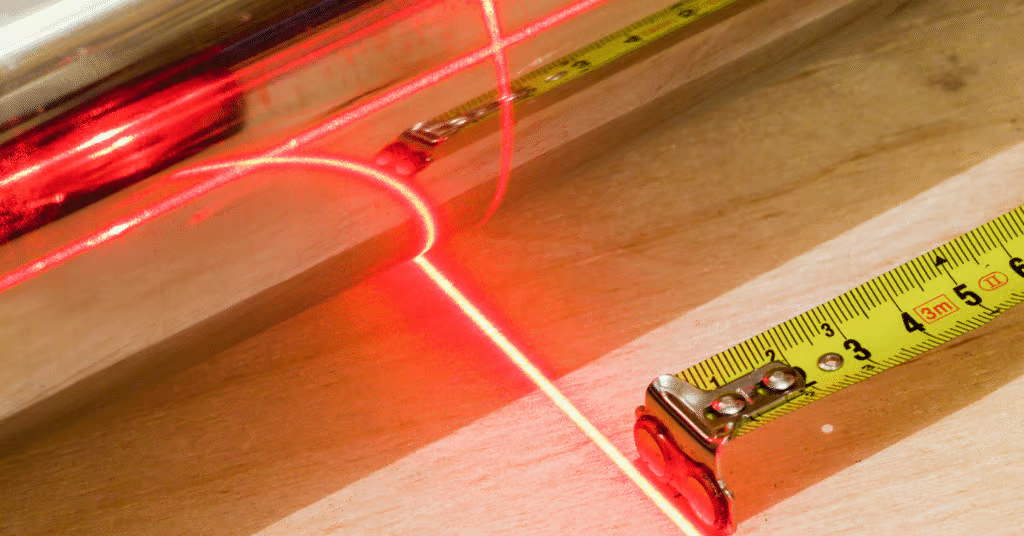
The custom fabrication process blends advanced manufacturing with skilled craftsmanship. It produces installations tailored to each specific site. These designs solve challenges unique to the property. Many of these issues cannot be addressed with standard components. The process begins with laser measuring tools capturing dimensions within millimeter tolerances. For complex geometries, fabricators create three-dimensional CAD models visualizing final installations before production begins, enabling client assessment and modification requests pre-fabrication.
Computer-controlled equipment translates engineering specifications into physical components with remarkable accuracy. CNC cutting systems produce clean edges without distortion. Precision bending equipment forms curves to exact radii. Automated welding systems deliver consistent penetration across every joint. Quality control procedures verify dimensional accuracy throughout fabrication, with components measured against CAD specifications before finishing processes commence.
Building code compliance receives meticulous attention within engineering workflows. Custom railings meet all key safety requirements. They satisfy typical height codes for each use. Residential systems are usually set at 36 inches. Commercial railings commonly use a 42 inch height. Openings are sized so a 4 inch sphere cannot pass through. Handrail shapes follow graspability standards for safe use. Designs also meet required structural load capacities. Professional fabricators stay updated on all building code requirements. They follow international codes and local amendments. Their designs meet inspection standards without changes. Every system complies with local building codes.
Installation precision mirrors fabrication accuracy. Professional installers first verify the condition of each substrate. They then choose mounting methods suited to the material. Fasteners and anchors are selected for long-term stability. Installers use alignment tools to set accurate levels. Railings are kept in true vertical and horizontal planes. This prevents visual distortion during installation. It also avoids uneven loading and stress. The result maintains both appearance and structural strength. Your successful installation performs perfectly from day one.
The precision engineering approach extends timelines to 4–6 weeks. This process removes the need for field modifications. It also prevents poor fits during installation. Careful design reduces premature failures over time. It avoids issues caused by rushed work or weak materials.
4. Low Maintenance, Long-Lasting Finish: Quality Building Materials and Applications
The economic advantage of custom metal railings emerges through maintenance efficiency rather than initial cost alone. Powder coating fuses the finish to the metal surface. It forms a continuous film about 2–4 mils thick. This bonded layer resists chipping and scratching. It also withstands UV damage better than most liquid paints. UV-stable pigments maintain color vibrancy through decades of sun exposure and protect aluminum railings from visible fading or chalking.
Routine maintenance requires only periodic cleaning—twice-yearly washing with mild soap and water removes environmental contaminants. Coastal properties benefit from quarterly rinsing to prevent salt accumulation. The process takes minimal time and requires no specialized skills or equipment. Simple maintenance tips, such as using soft brushes and avoiding abrasive cleaners, help owners preserve surface gloss and finish integrity.
Wood railings present dramatically different maintenance profiles. Annual inspections reveal cracked boards, loose connections, and weather damage requiring sanding and refinishing. Staining or painting every 2-3 years preserves appearance and moisture protection. Over 20 years, wood railing maintenance costs frequently exceed initial installation expense, while metal railings incur negligible maintenance expenditures.
When damage occurs to metal railings, repair procedures remain straightforward. Minor scratches receive touch-up paint in matching colors. Individual component replacement addresses more significant damage without disturbing entire railing runs. The modular nature of custom fabrication ensures replacement parts match original specifications exactly.
The warranty shows the maker’s confidence. Quality materials come from trusted mills. Controlled finishing ensures strong products. Fabricators offer lifetime coverage for aluminum defects. They also provide 5–10 year workmanship warranties. This protection provides financial security extending decades beyond installation completion.
5. Complete Customization & Stair Installation Guide
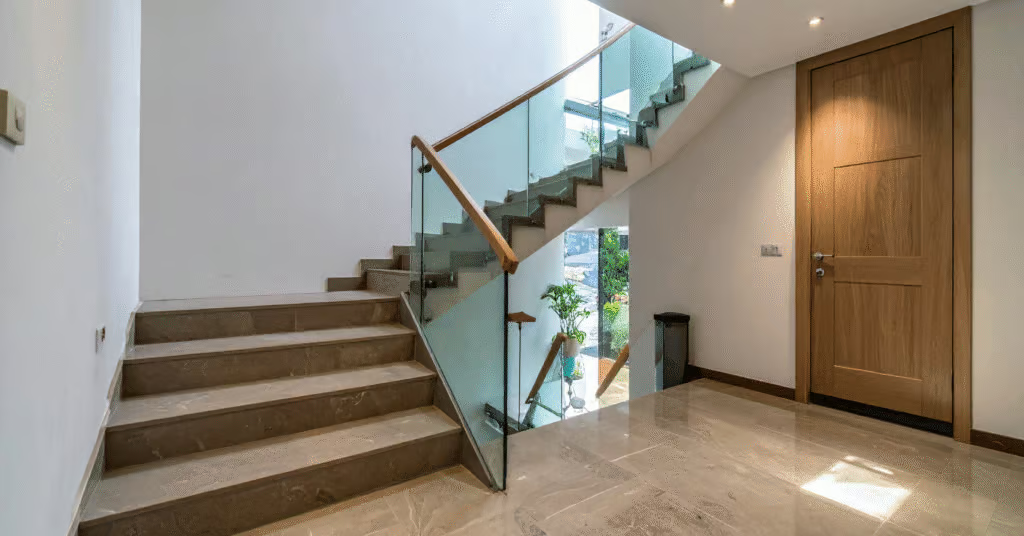
Customization capability empowers homeowners to create installations reflecting personal style while addressing practical requirements. Style options range from traditional to industrial. Traditional styles use ornate scrollwork and decorative finials. Contemporary profiles favor flat-top rails and clean lines. Many modern designs feature horizontal pickets. Industrial looks embrace exposed welds and rugged hardware. Thoughtfully placed handrails along each stair flight ensure comfort and safety for family members of all ages.
Dimensional customization ensures perfect fit regardless of constraints. Post spacing optimizes visual rhythm while maintaining code compliance. Hardware options range from surface-mounted systems highlighting visible connections to concealed fastener approaches creating clean appearances. Material mixing strategies include wood top rails over metal frameworks, contrasting metal finishes, and glass-metal combinations leveraging opacity-transparency dynamics.
The collaborative design process accommodates client input throughout development. Initial consultations establish aesthetic preferences, budget parameters, and practical requirements. Fabricators present conceptual sketches or digital renderings for client assessment and modification requests. This iterative approach keeps your vision at the center. It avoids relying on fabricator assumptions. The result aligns with your home’s overall design goals. It brings harmony to both interior and exterior spaces.
Site-specific problem-solving represents customization’s most valuable dimension. Every property presents unique challenges—irregular floor levels, unconventional stair geometries, material transitions, elevation changes. Prefabricated systems force compromises sacrificing functionality or appearance. Custom fabrication treats each challenge as a design opportunity, engineering solutions that maintain aesthetic cohesion while addressing practical constraints. Avoid common mistakes when planning a project. Don’t underestimate corrosion risks. Check all connection points for rust potential. Compliance with building codes are important. These steps help your investment last for decades.
Why Choose BRC Railing for Your Custom Metal Railing Project
BRC Railing brings over 20 years of industry expertise to custom metal railing projects throughout the lower mainland. The company provides comprehensive service delivery spanning design consultation, precision fabrication, and professional installation—eliminating multi-vendor coordination challenges.
BRC Railing specializes in custom aluminum and glass railing systems. They use premium-grade materials. Every component is engineered for strength and durability. Their products perform well in coastal British Columbia’s tough climate. Thicker custom aluminum railings and higher-grade tempered glass deliver superior strength and longevity. In-house powder coating ensures quality control and color consistency while enabling custom color matching.
Design services accommodate projects from straightforward residential aluminum decks to complex architectural installations that integrate steel railing details or mixed-material accents. Digital rendering capabilities allow clients to visualize proposed designs before fabrication, facilitating informed decision-making and reducing change orders. Installation quality receives equal attention as fabrication precision, with experienced installers employing proper mounting techniques for various substrate materials.
BRC Railing offers a comprehensive 10-year workmanship warranty protecting against installation defects, plus lifetime material warranties guarding against manufacturing defects. This protection provides financial security and peace of mind extending decades beyond installation completion.
The company’s services extend beyond standard railings. If you are planning a full outdoor upgrade, coordinating your custom metal railings with a connected deck roof or metal patio cover creates one unified project that looks intentional and finished. They also build metal patio covers and carport structures. This range lets clients use one trusted provider. Clients can rely on them for multiple project types. Active engagement with evolving building codes ensures compliant installations. All work meets current British Columbia Building Code requirements. Structural calculations account for local wind loads. Designs also address relevant seismic considerations. Safety factors account for coastal conditions. Careful material selection prevent rust formation. These selections also boost long-term durability. Each system stays strong even in harsh marine air.
For homeowners considering custom metal railing investments, BRC Railing offers consultation services. These sessions help turn style preferences into clear project specifications. The guidance gives homeowners the details they need. This information supports confident, well-informed decisions about both aluminum railings and mixed-material railing solutions.
Final Thoughts: Investing in Quality and Longevity
Custom aluminum metal railings deliver measurable returns across safety, aesthetics, property value, and operational efficiency. The five core benefits define a higher standard in home solutions. They include flexible modern design and exceptional strength. Each product offers durability and precision engineering. Low maintenance and lasting finishes add lasting value. Complete customization makes them superior to prefabricated options.
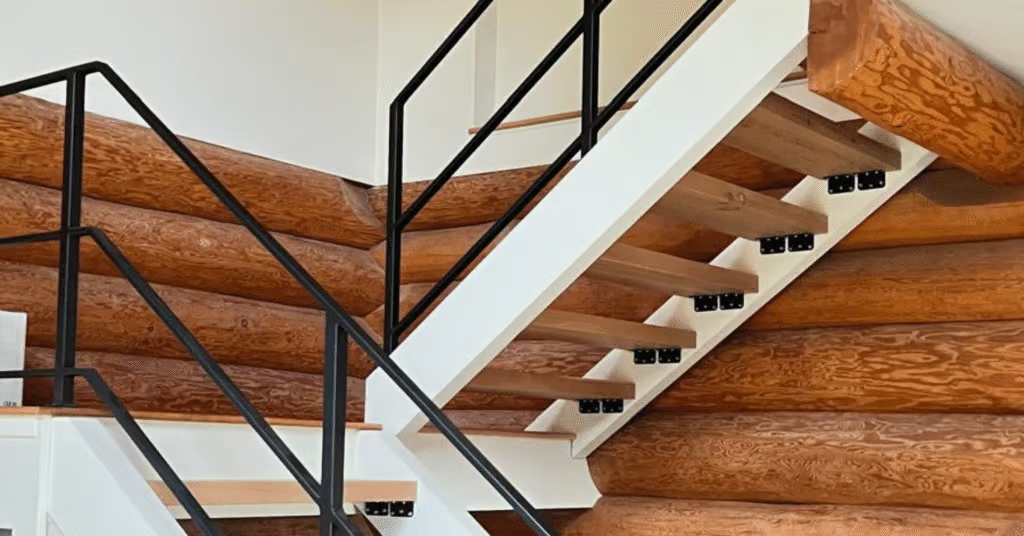
The initial cost premium dissolves rapidly when lifecycle economics receive appropriate analysis. Minimal maintenance requirements, extended service lives, and enhanced property values convert upfront investment into long-term savings. As modern design trends favor clean lines and open sightlines, custom metal railings gain importance. They serve as key visual features in contemporary spaces. These systems also support strong indoor outdoor connections. They are no longer treated as simple code driven add ons.
Homeowners who invest in custom solutions add long-term value to their homes. These choices ensure reliable performance for decades. They also enhance visual appeal and lasting beauty. Such decisions reflect a commitment to excellence. They show that every home deserves thoughtful care and design.
Elevate your home with railings that are engineered to last and designed for your space. From coastal decks to complex stair layouts, our team handles everything—from onsite measurements and design support to fabrication and installation—so you get a seamless result that feels solid underhand for decades. If you are ready to upgrade your safety, curb appeal, and long-term value, reach out to BRC Railing today to start planning your next custom metal railings project.
